A founder we spoke with last year had already paid one agency for "the website." He assumed that covered everything: the look, the CMS, hosting, the contact form that was supposed to email his sales team. Six weeks later he had a beautiful Figma file. Nothing else.
That's the web design company vs web development company gap. It trips up more founders than you'd expect.
The two terms get used as if they're the same thing. They aren't. One is about how a site looks and how people move through it. The other is about actually building that thing so it runs, loads, and doesn't break when 200 people hit it at once.
Know the difference before you sign a contract. It saves you a second contract three months later.
What A Web Design Company Actually Delivers
A web design company works in the layer you can see and click through before a single line of production code exists. Think Figma files, click-through prototypes, a visual system: colors, type, spacing, component states.
Good design work also covers UX research, user flows, and information architecture. It answers questions like where the pricing page sits in the nav, what happens after someone submits a form, and how a mobile visitor scans a hero section in the first three seconds.
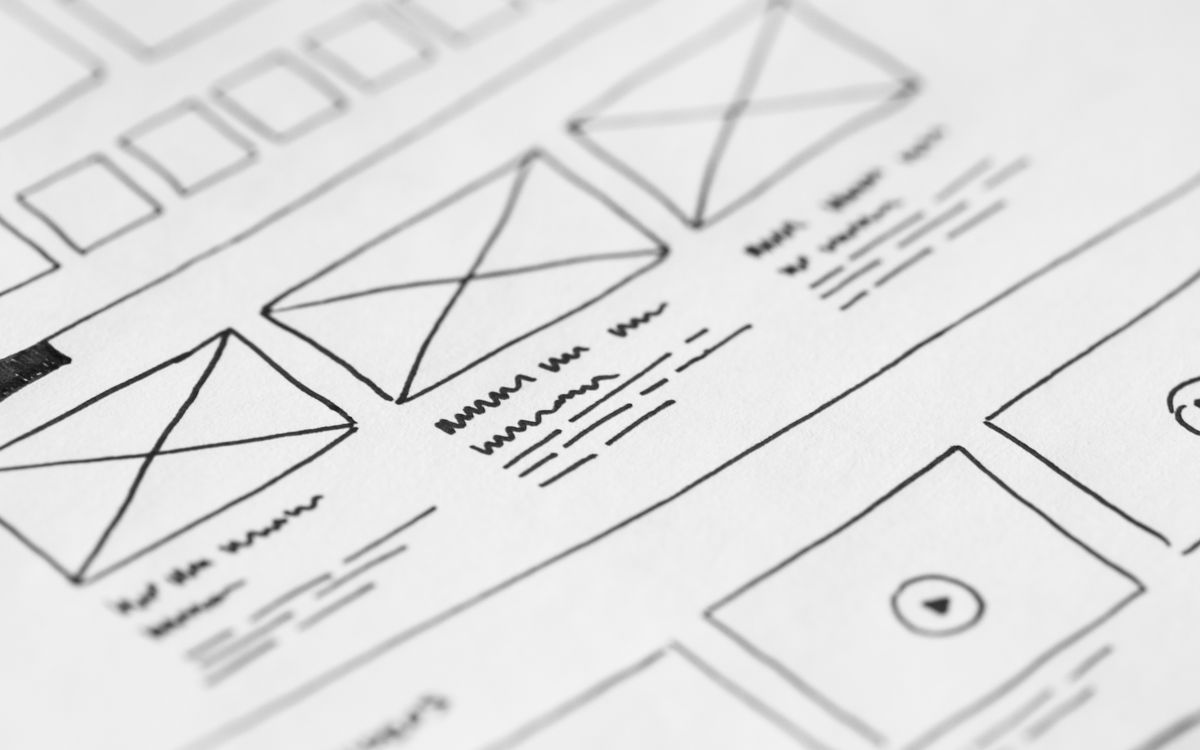
What a design-only shop typically does not do: write the code that makes any of it live. They hand you files, usually a Figma link and maybe a style guide. Someone else still has to build the thing.
That's fine if you already have a developer or an in-house team ready to receive those files. It's a problem if you assumed "design" included "the website goes live."
What A Web Development Company Actually Delivers
A web development company, or web development agency, takes a design (yours, theirs, or one from a template) and turns it into a working site. That means front-end code, CMS setup if you're on WordPress or a headless stack, database structure if there's anything dynamic, hosting configuration, and testing across browsers and devices.
If you're hiring a wordpress web design company specifically, you're usually looking for someone who does both. Theme customization, plugin setup, and enough design sense that the result doesn't look like a stock template with your logo pasted on. That combo exists. It's worth confirming rather than assuming.
Development also covers the parts nobody photographs for a portfolio. Page speed. Security patches. Form integrations with your CRM. SEO-friendly markup. Accessibility basics.
A site can look identical to two different visitors and perform completely differently under the hood, depending on who built it.

Some development shops are strong on code and weak on visual judgment. You'll get a fast, functional site that looks like it was assembled from a component library with no editing.
Neither gap shows up on the sales call. It shows up three weeks into the project, when you're staring at a homepage that either can't be built as designed or was built exactly as designed and looks generic anyway.
The Quiet Subcontracting Problem
Here's the part most founders don't know to ask about: plenty of agencies only do one half of this work and quietly subcontract the other.
A "website design agency" with a slick portfolio might outsource all development to a freelancer they've never worked with before your project. A development shop might buy a $49 template and call it custom design. You're paying agency rates and getting freelancer-managed output, with an extra layer of communication lag baked in.
This isn't automatically bad, a lot of good work gets done through subcontractors. The problem is when it's hidden, because hidden subcontracting means no one on your call actually owns the outcome end to end.
We watched this play out with a Bangalore-based coaching business in 2025. They hired a design studio that promised "full website delivery." The studio built beautiful mockups, then handed the build to a contractor found on a freelance marketplace. The contractor disappeared after the first milestone payment, and the studio had no backup plan because they'd never managed development themselves.
Questions That Expose What You're Actually Hiring
Ask these before you sign anything, not after:
Who writes the code, specifically? Get a name or a team, not "our development partners."
Can I see a live site you built end to end, design through launch, not just a portfolio screenshot?
What happens after launch if the contact form breaks or a plugin conflicts with the theme?
Is design approval separate from a development change order? If yes, expect scope creep once you're past mockups.
How many people will actually touch this project, and does that number match what's in the proposal?
Vague answers are still answers. They tell you nobody on the call owns the whole outcome. A design company vs web development company distinction stops mattering once you know exactly who's accountable for what.
When You Need Both Under One Roof
Small and mid-size businesses usually do better hiring one team that owns design and build together. It removes the handoff gap where a beautiful design gets built badly, or a solid build ships with weak UX because nobody thought about the flow.
There's a real cost trade-off here too, and it's worth reading through separately before you set a budget: see our breakdown on what a web design company actually costs in 2026.
Under one roof also means fewer excuses. If the mobile menu breaks, there's no design team blaming the dev team in a thread you're copied on for no reason.

When Splitting Design And Development Actually Makes Sense
Larger companies with an internal dev team sometimes split it on purpose. They hire a specialist studio purely for design, keeping build in-house where they already have the infrastructure and code review process.
That setup works when the internal team has real bandwidth and the design agency hands off clean, developer-ready files. It falls apart when either side assumes the other is covering something they aren't, which is exactly the design company vs web development company confusion we started with.
If you're choosing between a local team and a remote one for either half of this, that decision has its own tradeoffs worth reading through: local vs remote web design agencies.
What Good Handoff Actually Looks Like
When design and development are handled well, the handoff turns out to be a plain checklist with nothing mysterious in it.
A clean handoff includes a design file with named components, spacing tokens, and states for hover, active, and error. It includes copy that's final, not placeholder Latin text. It includes a note on what's a nice-to-have versus what's required for launch.
Without that, developers guess. Guessing means the built site drifts from the design in small ways nobody signed off on. Buttons shift. Spacing tightens. A hero image gets swapped for something "close enough."
None of this is dramatic on its own. Stack twenty small drifts together and the finished site looks noticeably cheaper than the mockup did. That gap is almost always a process failure, not a skill failure.
If Your Current Site Already Exists
Not every project starts from zero. If you have a site that's underperforming, the fix isn't always a full rebuild with a new team. Sometimes targeted development work beats starting over, and we've written about that decision specifically in redesign vs optimization and in why you might want to stop redesigning your website altogether.
A Scenario Worth Picturing
A founder hires a design studio for $6,000, gets a gorgeous Figma file, then discovers nobody on the team can build it. The studio "has a developer partner," which turns out to mean a freelancer they've used twice.
Six weeks later the live site looks about 70% like the mockup, the forms don't route to the CRM, and each fix is billed as a change request. None of that was malicious. It came from two companies each assuming the other owned the gap.
Ask one question before signing anything: who is accountable if the built site doesn't match the approved design? A single named answer means you've found one accountable team. A shrug means you've found a handoff waiting to break.
What To Ask In The First Call
Ask who builds the site, which CMS it will live on, and whether you can edit pages yourself after launch. Ask for a live example where the design and the build came from the same team.
Then ask what happens when the browser render differs from the approved design. Vague answers on any of the three usually mean a subcontracted half.
The Takeaway
Here's what actually matters when you're hiring:
Design covers look, feel, and flow. Development covers the working product.
Ask directly who codes the site. Not just who designs it.
Watch for quiet subcontracting between design and dev. It's common and rarely disclosed.
One team owning both means fewer handoff failures for small and mid-size projects.
If you split the work on purpose, agree on what "done" means before anyone starts.
We handle website design as one connected process, design and build under the same team, so nothing gets lost in a handoff. If you want a second opinion on a proposal you've already received, book a 30-minute call and we'll tell you straight whether the scope actually adds up.